
Car dealerships rarely experience steady sales throughout the year. Instead, demand fluctuates due to factors such as weather conditions, tax refund seasons, new model releases, holiday spending, and economic shifts.
These fluctuations create seasonal demand problems where dealerships experience high sales during peak months and slow inventory turnover during off-season periods. If not managed strategically, seasonal demand can lead to cash flow issues, unsold inventory, and inconsistent lead generation.
The key is not eliminating seasonality—because it is inevitable—but building systems that generate demand even during slower months.
Below are practical strategies dealerships can use to stabilize demand and maintain consistent sales.
Why Seasonal Demand Happens in Car Dealerships
Before discussing solutions, it’s important to understand the causes of seasonal fluctuations.
1. Weather and Lifestyle Patterns
Customers often delay car purchases during harsh weather or busy seasons.
Examples:
- Winter: fewer showroom visits
- Summer: higher travel-related purchases
- Year-end: buyers wait for discounts or tax benefits
2. Model-Year Release Cycles
When new models launch, older inventory becomes harder to sell unless properly marketed.
3. Consumer Financial Cycles
Many customers purchase vehicles during:
- tax refund season
- festive holidays
- bonus payout periods
These cycles create predictable spikes and slowdowns in dealership sales.
Practical Solutions to Manage Seasonal Demand
Dealerships that maintain consistent visibility and community engagement can reduce the impact of seasonal fluctuations.
Below are five proven strategies.
1. Build a Strong Social Media Presence
Social media can maintain customer interest even when showroom traffic slows down. The goal is to stay visible in local buyers’ feeds so your dealership becomes the first option when they are ready to buy.
Content Ideas for Car Dealership Social Media
Behind-the-scenes dealership content
Example posts:
- “Vehicle inspection day at our service center”
- “How we prepare a used car before it reaches the showroom”
This builds trust and transparency.
Educational car tips
Examples:
- “5 things to check before buying a used car”
- “How to maintain your car during winter”
Customer delivery stories
Example:
- Post photos of happy buyers receiving their vehicles
- Include short captions about their experience
This creates social proof.
Inventory highlight videos
Example:
- Short reels showing a specific vehicle
- Walkthrough of features and pricing
Content like this keeps potential buyers engaged even during slow seasons.
2. Invest in SEO to Capture High-Intent Buyers
Most car buyers start their journey online before visiting a dealership. SEO ensures your dealership appears when people actively search for vehicles or services.
For example, a dealership should create pages targeting searches like:
- “used Toyota SUV dealer in Dallas”
- “certified Honda dealer near me”
- “best car dealership with financing in Phoenix”
This type of targeted search visibility is the foundation of strong Local automotive SEO strategies because it captures buyers who are already planning to purchase.
A complete SEO strategy should include:
- optimized vehicle inventory pages
- location-based landing pages
- service pages (maintenance, financing, trade-in)
- local Google Business optimization
A structured SEO strategy specifically built as SEO for Car dealerships can generate consistent leads without relying only on paid advertising.
3. Strengthen Local Community Relationships
Car dealerships that are active in their local community tend to attract more loyal customers.
Community engagement keeps your brand visible even when people are not actively shopping for a car.
Examples include:
Sponsoring local events
Examples:
- local sports tournaments
- charity events
- school functions
Your dealership logo and vehicles can be showcased during these events.
Hosting dealership events
Ideas:
- weekend test drive events
- car maintenance workshops
- electric vehicle awareness sessions
These events increase foot traffic even during slower sales periods.
Partnering with local businesses
For example:
- collaborate with insurance agents
- partner with driving schools
- cross-promote with car accessory stores
Community partnerships create a long-term pipeline of referrals.
4. Use Targeted Paid Advertising During Slow Months
Paid ads can help maintain visibility when organic traffic temporarily dips.
However, dealerships should strategically balance paid ads with long-term strategies like SEO. A detailed comparison of Google Ads vs SEO for car dealerships shows that while ads generate immediate traffic, SEO provides more sustainable long-term leads.
Effective ad strategies include:
- retargeting visitors who viewed inventory pages
- promoting limited-time financing offers
- advertising seasonal discounts on older models
This approach helps move inventory during slower demand cycles.
5. Create Seasonal Promotions and Trade-In Campaigns
Seasonal campaigns can convert hesitant buyers into active customers.
Examples include:
Year-end clearance sales
Promote older inventory with financing deals and discounts.
Trade-in bonus offers
Example promotion:
“Extra $1,500 trade-in value this month only.”
Service and maintenance bundles
Example:
“Free first-year servicing with every purchase.”
These campaigns create urgency and stimulate demand during slower sales periods.
The Dealerships That Win Are the Ones That Stay Visible
Seasonal demand will always exist in the automotive industry. However, dealerships that maintain consistent visibility, community trust, and digital presence can stabilize their sales pipeline.
The most successful dealerships combine:
- social media engagement
- strong local SEO
- community relationships
- targeted advertising
- strategic seasonal promotions
Instead of relying only on peak seasons, these strategies create continuous buyer interest throughout the year.
Strategic Takeaway
Dealerships that treat marketing as a year-round system rather than a seasonal activity experience far less volatility in their sales.
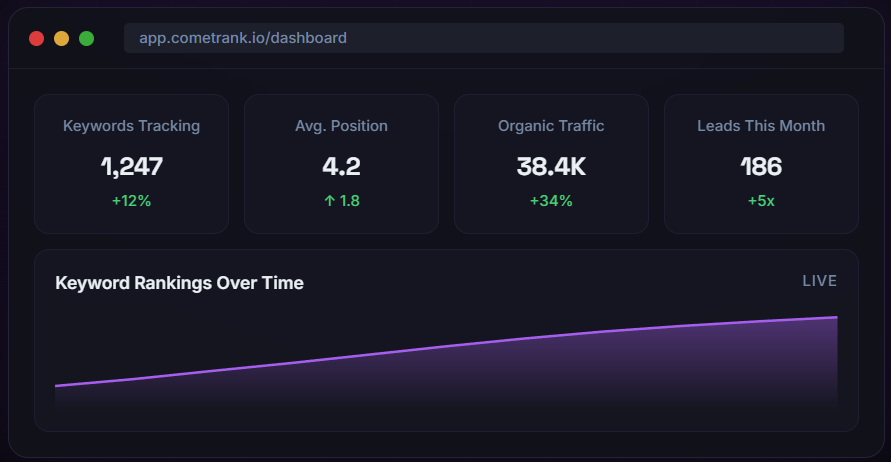
Platforms like CometRank help businesses turn search visibility into consistent leads by identifying high-intent search opportunities, creating optimized pages, and improving internal linking and authority signals.