
B2B manufacturing sales used to be driven almost entirely by sales representatives. Buyers contacted vendors, scheduled calls, requested quotes, and waited for follow-ups.
That process is changing rapidly.
Recent B2B buying behavior research shows that roughly 75% of B2B buyers prefer a rep-free sales experience for most of the purchasing journey. Instead of starting with sales conversations, buyers now expect to research products, compare suppliers, and evaluate solutions independently online.
For manufacturers, this shift changes how demand generation, website content, and SEO need to work.
What a Rep-Free Sales Experience Actually Means
A rep-free sales experience does not mean buyers never speak with sales.
It means buyers want to self-educate and evaluate vendors before engaging a salesperson.
In manufacturing, this often includes:
- researching suppliers
- comparing materials and tolerances
- reviewing certifications
- checking production capabilities
- evaluating industries served
- understanding lead times and pricing ranges
By the time a buyer contacts a company, they often already have a shortlist of suppliers.
Sales conversations now happen much later in the buying process.
Why B2B Manufacturing Buyers Prefer Self-Service Research
Buyers Want to Control the Evaluation Process
Manufacturing procurement teams often research suppliers weeks or months before issuing RFQs.
Engineers and sourcing managers want to independently evaluate:
- manufacturing capabilities
- materials expertise
- compliance certifications
- past project experience
They prefer gathering this information from websites rather than scheduling introductory sales calls.
Complex Products Require Technical Research
Manufacturing purchases often involve technical requirements such as:
- tolerances
- machining capabilities
- certifications (ISO, AS9100, FDA, etc.)
- material compatibility
- production scale
Buyers want detailed documentation, diagrams, and technical specifications before discussing projects with a salesperson.
Web content that answers these questions early dramatically improves supplier visibility.
Procurement Teams Are Under Time Pressure
Many manufacturing buyers are engineers or operations leaders, not full-time procurement specialists.
They prefer quick answers through search instead of waiting for sales responses.
For example, a buyer searching:
- “precision CNC machining supplier for aerospace components”
- “medical device injection molding company with ISO 13485 certification”
- “industrial water treatment equipment manufacturer in the USA”
is already in the supplier discovery phase.
The vendor that provides the most useful technical information online usually wins the first conversation.
How the Manufacturing Buying Journey Has Changed
The traditional B2B sales funnel looked like this:
- Sales outreach
- Introductory calls
- Capability overview
- RFQ
- Proposal
Today’s buying journey often looks very different:
- Search research
- Website comparison
- Technical evaluation
- Shortlisting suppliers
- Contacting sales
In many cases, 60–80% of the buying journey happens before the first sales interaction.
This shift means a company’s website now performs many roles previously handled by sales reps.
What Buyers Expect to Find on a Manufacturer’s Website
To support a rep-free research process, manufacturing websites need detailed content that answers buyer questions.
Capability Pages
A page targeting a query such as:
“precision CNC machining supplier for aerospace components”
should include sections like:
- materials machined (aluminum, titanium, composites)
- tolerance capabilities
- aerospace certifications
- example components produced
- machine specifications
- quality inspection processes
- typical production volumes
This allows engineers to quickly determine whether the supplier is technically viable.
Why Search Visibility Is Now a Core Sales Channel
Because buyers prefer independent research, search engines have become one of the primary discovery channels in manufacturing.
Instead of discovering suppliers through trade shows or cold outreach, buyers now start with search queries tied to specific needs.
Examples include:
- “custom stainless steel pressure vessel manufacturer USA”
- “low-volume CNC machining supplier for aerospace prototypes”
- “industrial water treatment equipment manufacturer in Texas”
Companies that rank for these high-intent searches generate inbound inquiries without relying solely on outbound sales.
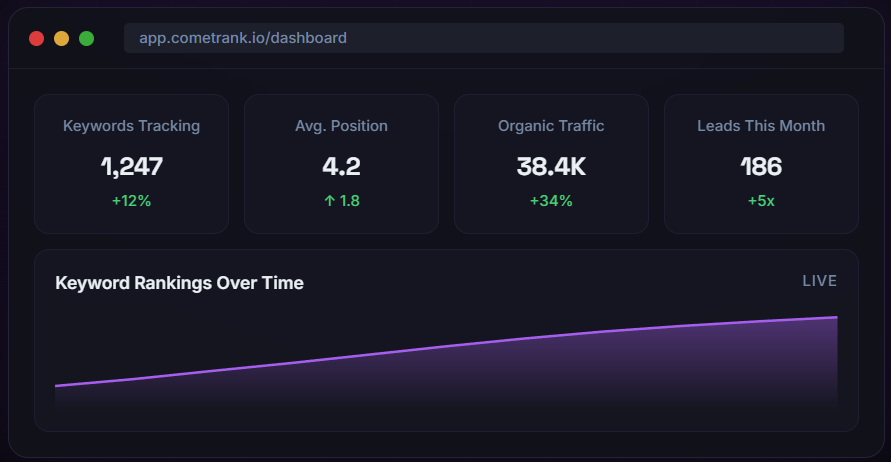
Platforms like CometRank help manufacturers identify high-intent search opportunities, build structured content around buyer intent, and scale search visibility faster than traditional SEO workflows.
Instead of publishing random blog posts, manufacturers can systematically build content that mirrors how engineers and procurement teams search.