Shopify makes it easy to launch an online store. Ranking that store in Google is a different challenge.
Most Shopify stores struggle with SEO because product pages compete for the same keywords, collections lack depth, and content strategies are inconsistent. The right SEO apps help solve these problems by improving technical SEO, optimizing content, and identifying ranking opportunities.
If you’re building an ecommerce SEO strategy, tools should help you target high-intent searches like:
- “vegan leather handbags for women”
- “sustainable cotton t shirts USA”
- “organic baby clothes brand online”
Below are five of the best SEO apps for Shopify and how they help ecommerce stores improve rankings and generate sales.
1. Plug In SEO
Plug In SEO is one of the most widely used Shopify SEO apps. It focuses on identifying technical SEO issues that prevent Shopify stores from ranking.
What it helps with
- Broken links
- Missing meta tags
- Structured data issues
- Page speed checks
- SEO health reports
For example, if a product page targets the keyword “organic cotton oversized hoodie”, Plug In SEO can identify missing title tags, duplicate descriptions, or schema errors that limit search visibility.
Best for
- Shopify beginners
- Stores needing SEO audits
- Fixing technical issues quickly
However, it focuses primarily on diagnostics, not full SEO strategy.
2. Smart SEO
Smart SEO automates many repetitive SEO tasks for Shopify stores.
Key features
- Auto-generate meta titles and descriptions
- JSON-LD structured data
- Image alt text optimization
- Sitemap improvements
For example, if you run a fashion store targeting the keyword “linen summer dress for women”, Smart SEO can automatically generate optimized metadata for hundreds of product pages.
This is especially useful for large ecommerce catalogs where manual optimization would take weeks.
Stores in apparel often combine these automation tools with a broader strategy like SEO for fashion ecommerce to target style-based and seasonal search queries.
3. SEO Manager
SEO Manager is one of the most complete SEO apps available in the Shopify ecosystem.
What makes it powerful
- Keyword tracking
- Redirect management
- Google Search Console integration
- SEO recommendations
- Broken link monitoring
Example implementation:
If your store wants to rank for “minimalist leather wallet for men”, SEO Manager can track the keyword in Google and alert you if rankings change.
You can then improve the product page by adding sections like:
- leather type
- wallet capacity
- RFID protection
- warranty details
Adding this depth helps product pages rank for buyer-intent queries.
4. Avada SEO Suite
Avada SEO Suite focuses heavily on site speed and technical optimization, which strongly affects ecommerce rankings.
Features
- Image compression
- Lazy loading
- Schema markup
- HTML sitemap
- Meta tag automation
For example, a Shopify collection page targeting “eco friendly yoga mats” may load slowly due to large product images. Avada compresses those images automatically, improving page speed and SEO performance.
Faster pages increase:
- Google rankings
- user engagement
- conversion rates
This is why why SEO is important for ecommerce goes beyond traffic — it directly impacts revenue.
5. TinyIMG SEO & Image Optimizer
Ecommerce sites rely heavily on images. Poorly optimized images slow pages and reduce rankings.
TinyIMG focuses on image optimization and technical performance.
What it improves
- Image compression
- ALT tag optimization
- Page speed
- Google PageSpeed insights integration
Example:
A product page targeting “handmade ceramic coffee mugs” may contain 6–8 large images. TinyIMG compresses them automatically, reducing load time while preserving image quality.
This helps both SEO performance and mobile shopping experience.
Why Shopify SEO Tools Alone Are Not Enough
Most Shopify SEO apps solve individual problems, but they rarely address the entire SEO strategy.
For example, apps can optimize metadata but cannot answer questions like:
- What high-intent keywords should the store target?
- What content pages should be created?
- How should product, collection, and blog pages connect?
- Which search topics drive actual buyers?
These strategic decisions determine whether SEO generates traffic or revenue.
This is why many ecommerce teams compare platform strategies like is WordPress or Shopify better for SEObefore scaling organic growth.
It also explains why many brands compare long-term acquisition channels such as Meta ads vs SEO for Ecommerce websites when deciding where to invest marketing budgets.
The Future of Ecommerce SEO: AI-Driven Systems
The biggest challenge for ecommerce SEO isn’t optimizing pages.
It’s identifying and covering thousands of search opportunities.
For example, a fashion ecommerce brand might target search queries like:
- “sustainable streetwear brands USA”
- “organic cotton oversized hoodie”
- “eco friendly gym wear for women”
Each of these requires:
- dedicated landing pages
- structured content
- internal linking
- authority signals
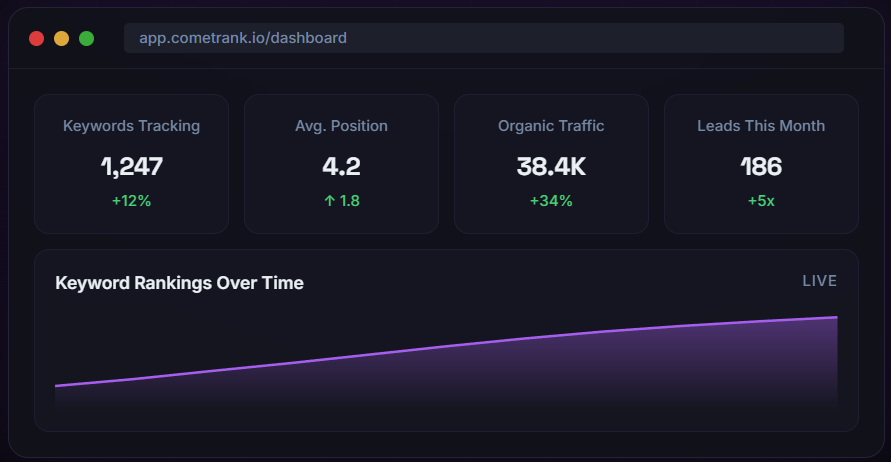
Modern AI SEO platforms like CometRank automate this process using a coordinated AI agent system.
The AI Agent System Behind CometRank
- The Analyst identifies search demand, competitor gaps, and keyword clusters.
- The Strategist prioritizes high-intent opportunities and builds the SEO roadmap.
- The Creator generates structured landing pages, blog content, and comparison pages.
- The Optimizer improves internal linking, rankings, and content performance.
- Authority Builder strengthens backlinks and domain authority signals.
Instead of relying only on Shopify plugins, ecommerce brands can scale SEO using an AI-powered SEO command center.
Strategic Takeaway
Shopify SEO apps help fix technical issues and automate small tasks. But ranking ecommerce stores consistently requires:
- intent-based keyword targeting
- structured content coverage
- internal linking strategies
- authority building
Stores that combine SEO tools with a strategic SEO system like CometRank are the ones that turn search visibility into revenue.