
An SEO content calendar is not simply a list of blog topics. It is a strategic publishing plan built around search demand, buyer intent, and industry-specific problems.
Companies that consistently rank on Google structure their content calendar around real questions potential customers search before making a purchase decision. Each post targets a specific keyword, supports related pages, and helps guide users toward contacting the business.
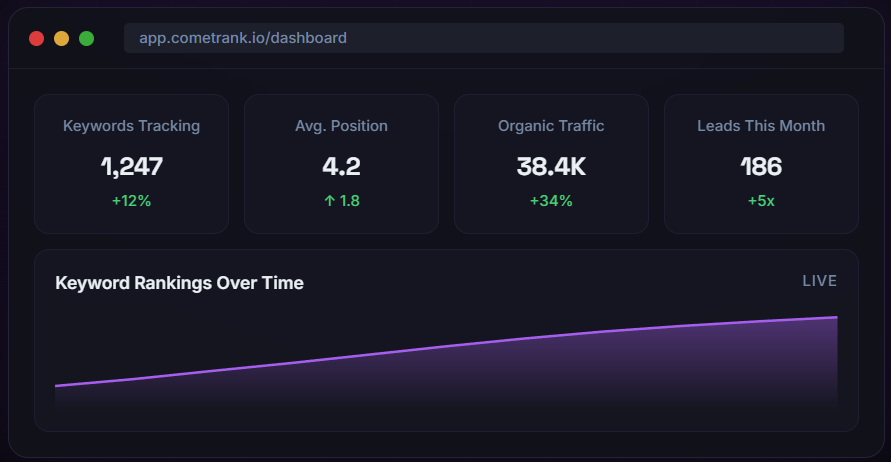
Modern companies increasingly combine keyword research, competitor analysis, and AI-powered insights from an AI SEO Platform to identify opportunities faster and scale content production.
Start With Keyword Research and Real Customer Searches
Every SEO content calendar begins with understanding what potential customers are searching for. Businesses analyze search queries related to their services, industries, and problems their customers need solved.
Teams often rely on specialized SEO tools for keyword research to uncover long-tail keywords that indicate real buying intent.
For example, a manufacturing company might discover keywords such as:
- precision CNC machining supplier for aerospace components
- aluminum aerospace parts machining company USA
- ISO-certified CNC machining manufacturer for medical devices
Instead of publishing generic blog posts, companies add these keywords to their SEO calendar as targeted pages or guides.
Example calendar entry:
Week 1 Topic
CNC machining for aerospace components
Target keyword
precision CNC machining supplier for aerospace components
Suggested page structure
- materials machined (aluminum, titanium)
- aerospace component applications
- tolerance capabilities
- quality certifications (AS9100, ISO)
- industries served
- request a quote CTA
This approach ensures the content targets real procurement searches from buyers.
Map Topics to Search Intent
Companies organize their content calendars by search intent, which reflects what the user is trying to accomplish.
Common intent categories include:
Informational intent
Users researching a problem.
Example (real estate)
Keyword: “how to buy a rental property in Austin TX”
Content type: educational guide explaining financing, property types, and ROI considerations.
Local hiring intent
Users looking to hire a service.
Example (legal industry)
Keyword: “business contract lawyer in Dallas TX”
Content structure:
- contract drafting services
- contract dispute prevention
- industries served
- consultation process
- schedule a consultation CTA
Commercial evaluation intent
Users comparing providers.
Example (manufacturing)
Keyword:
“industrial water treatment equipment manufacturer in the USA”
Content type: comparison guide explaining equipment capabilities, certifications, and industries served.
Mapping keywords to intent ensures each article fits a specific stage of the buyer journey.
Organize the Calendar Into Topic Clusters
High-performing companies group related content into topic clusters, which helps search engines understand authority around a subject.
Example cluster: Real Estate Investing
Possible monthly calendar:
Week 1
Topic: rental property investment guide
Keyword: “how to buy a rental property in Austin TX”
Week 2
Topic: property investment costs
Keyword: “cost of buying rental property in Texas”
Week 3
Topic: ROI analysis
Keyword: “how to calculate rental property ROI”
Week 4
Topic: local market analysis
Keyword: “best neighborhoods for rental property in Austin TX”
Each article links to related pages and strengthens the overall topical authority of the website.
Prioritize High-Intent Keywords That Generate Leads
Many companies make the mistake of building content calendars around high-volume keywords that rarely convert.
For example:
Low-intent keyword
“what is real estate investing”
Higher-intent keyword
“duplex investment property for sale in Austin TX”
The second query indicates someone actively searching for a property.
Similarly, a law firm targeting corporate clients would prioritize:
- “startup business lawyer in San Jose CA”
- “venture capital contract attorney California”
And a manufacturing supplier might target:
- “precision CNC machining supplier for aerospace components”
- “medical device injection molding company with ISO certification”
These keywords reflect commercial demand rather than general education.
Build a Structured Publishing Schedule
Once keywords and clusters are identified, companies convert them into a structured publishing calendar.
Example monthly SEO content calendar:
| Week | Industry | Topic | Target Keyword |
|---|---|---|---|
| Week 1 | Manufacturing | Aerospace CNC machining | precision CNC machining supplier for aerospace components |
| Week 2 | Legal | Business contract services | business contract lawyer in Dallas TX |
| Week 3 | Real Estate | Rental property investing | how to buy rental property in Austin TX |
| Week 4 | Real Estate | Market insights | best neighborhoods for rental property in Austin TX |
Publishing consistently allows businesses to expand their search visibility every month.
Companies often compare different SEO execution approaches—such as internal teams versus external platforms—when scaling their publishing strategy. Articles like CometRank vs in-house SEO explore these trade-offs in cost, speed, and results.
Use AI to Continuously Improve the Calendar
Search demand evolves constantly. Competitors publish new content, rankings shift, and new keyword opportunities appear.
AI-driven systems help businesses:
- identify keyword gaps competitors rank for
- discover long-tail commercial searches
- recommend new content topics
- optimize internal linking between pages
- track ranking improvements over time
This allows companies to update their content calendar dynamically rather than planning everything manually.
Businesses that want to outsource or automate this process often evaluate agencies or platforms, including guides such as Best SEO Companies for Small businesses when deciding how to scale their search strategy.
Platforms like Cometrank an AI SEO Company solutions combine automation and strategy to continuously discover ranking opportunities.
Strategic Takeaway
Companies that succeed with SEO treat their content calendar as a lead-generation roadmap, not just a blogging schedule.
The most effective workflow looks like this:
- Identify search demand through keyword research
- Map keywords to real buyer intent
- Organize topics into industry-specific clusters
- prioritize commercial keywords that generate leads
- publish consistently and improve based on data
As search competition grows, businesses increasingly rely on systems like an AI SEO Platform to automate opportunity discovery, content planning, and optimization.
